.png)
Trade Me is seeing it locally. Our Global Talent Survey confirms it globally.

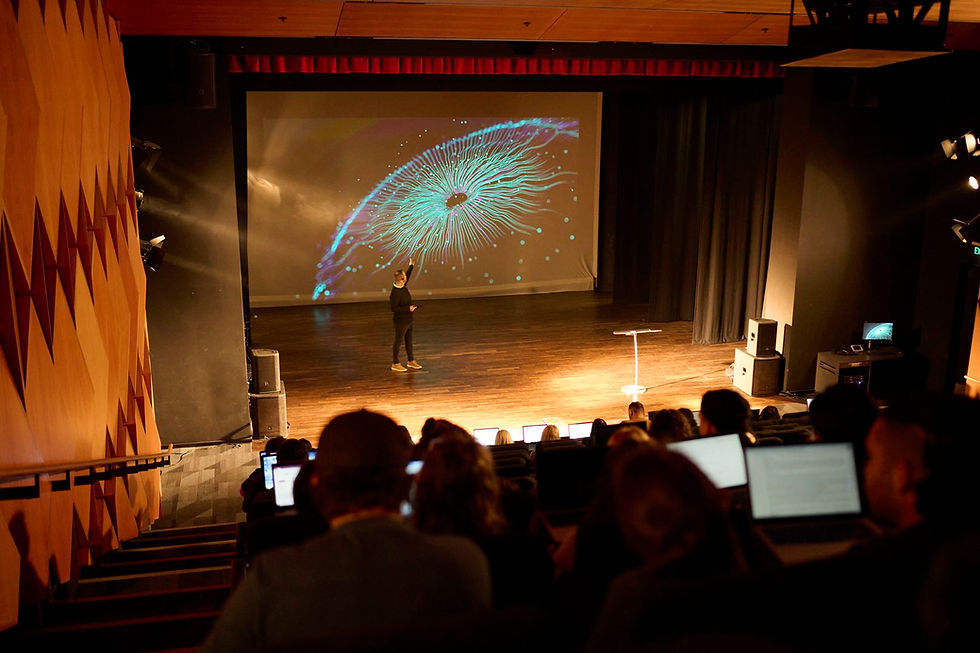
In late March, we attended Trade Me Jobs’ latest market insights session, where they shared their 2026 view on how job seekers and employers are behaving across New Zealand.
What stood out wasn’t just what the data says about the local market, but how closely it aligns with a broader pattern we’re seeing in our own work: a widening gap between people’s willingness to move and their likelihood of actually doing it.
On the surface, the numbers suggest momentum. Nearly half of workers expect to change jobs in the next year, pointing to a market that should be opening again. But the details tell a more restrained story. Intent is rising, confidence hasn’t fully returned, and while employers are hiring, much of that activity is driven by replacement rather than expansion. The result is a market that feels active without quite accelerating.
That tension becomes more interesting when you look at what’s driving it. For a long time, the assumption has been relatively simple: people move for better pay. Salary still matters, but the Trade Me data suggests something more nuanced. A growing share of movement is being driven by friction in current roles rather than the pull of something better: people looking to leave, rather than clearly progressing toward a defined next step.
That distinction matters because it changes how attraction works. When motivation is rooted in dissatisfaction, the threshold for change becomes higher, not lower. Candidates aren’t just comparing opportunities; they’re weighing whether the disruption of moving is justified at all.
You see a similar dynamic internationally. Through our Global Talent Survey, capturing perspectives from more than 1,200 professionals across 30+ countries, interest in New Zealand remains consistently strong. The fundamentals are well understood: lifestyle, balance, safety and a sense of space continue to position New Zealand as an attractive destination. But that interest doesn’t consistently convert.
Across international audiences, the same barriers surface repeatedly: visa complexity, cost of living, unclear career pathways, and slow or uncertain hiring processes. These aren’t messaging problems. They’re structural, and they introduce just enough uncertainty for people to pause. Which is why framing this as a “talent shortage” only tells part of the story. The talent exists. The interest exists. The intent exists. What’s inconsistent is the system that connects those things to an actual hire.
That has implications for how organisations approach recruitment. Generating attention is no longer the only constraint. The challenge is helping candidates make a decision with confidence: clarity around what the role is, where it leads, and whether it justifies the effort involved in changing jobs, relocating, or navigating a complex process.
Trade Me’s local view and our global survey point to the same conclusion: this is less a pure shortage problem and more a conversion problem; turning interest into confident action.
That’s the opportunity we focus on at Haines: helping organisations reduce candidate friction and improve hiring conversion through clear role and career narratives, stronger candidate communication, and better end‑to‑end process design.
If you’re seeing strong candidate interest but slower decisions (or drop‑off mid‑process), we’d love a conversation.